
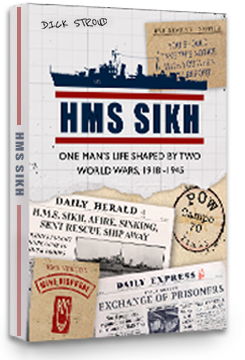
HMS Sikh
ONE MAN’S LIFE SHAPED BY TWO WORLD WARS, 1918 -1945
This book follows my dad – one among millions – whose life was reshaped by war in ways he could not have imagined. I trace his story from interwar Britain to the Mediterranean, from service at sea to captivity, his release by the Italians, and the hazardous work of mine disposal.
I have pieced this account together from letters, photographs, official records, and a few uncertain memories of my own. Some chapters draw on newspapers and contemporary documents to show how the war was understood at the time; others reconstruct specific events from the official record.
Throughout, I am trying to understand not just what happened to my dad, but how these experiences shaped his life.

All the sales from this book will be given to this naval charity

Between the Wars
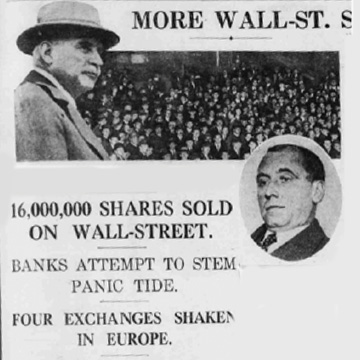
The interwar years are often rushed past on the way to the next conflict. This essay slows down. It looks at what it was like to grow up after one war while trying to believe there would not be another. For my dad, these were years of school, work, marriage, and uncertainty, lived against a background of economic hardship and political unease. It is not a comprehensive history, but an attempt to capture how the period felt at the time, before anyone knew how it would end.
War Is Declared – What Next
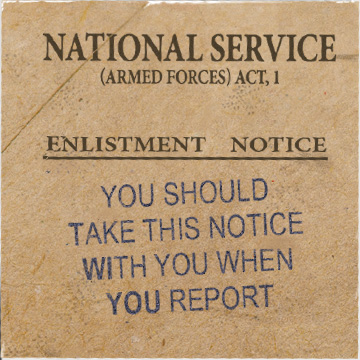
The declaration of war did not bring instant action, but it changed everything. This essay looks at the long months of waiting that followed, when daily life continued under the shadow of something unknown but unavoidable. For my parents, it was a time of uncertainty, preparation, and quiet fear, as the state began to shape ordinary lives in new ways. It explores how people tried to carry on, knowing their futures were no longer their own, but with no clear sense of what lay ahead.
From Signwriter to Sailor
Waiting ends and war becomes personal at this point. It follows my dad as he leaves civilian life and joins the Navy in his mid-thirties, older than most and with a family left behind. Training, routines, and discipline replaced the job he knew from his first day in uniform. The focus is not on heroics, but on adjustment: how someone used to ordinary work learned new skills, accepted authority, and adapted to a life governed by chance, orders, and events beyond his control
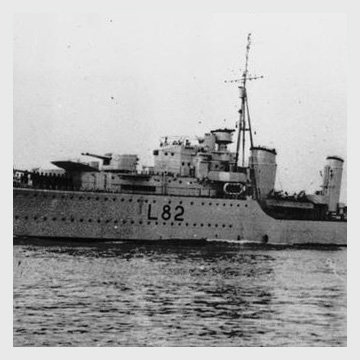
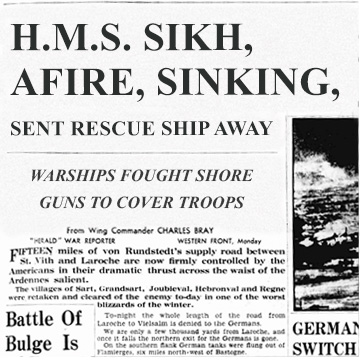
HMS Sikh’s Last Battle
This essay follows HMS Sikh into the operation that ended in disaster off Tobruk. It traces the ship’s final days from routine duties to a mission that unravelled with fatal speed. The account draws on naval records, survivor testimony, and official reviews to piece together what happened and why. The aim is understanding: how plans collided with reality, how choices were shaped by pressure and uncertainty, and how one operation changed the lives of everyone involved.
Prisoner of War in Italy
The story shifts away from combat and operations to life in captivity. It follows my dad and survivors from the sinking of HMS Sikh into a series of Italian prisoner of war camps. The records are thin and often fragmentary, so the account moves carefully, piecing together daily life from letters, Red Cross reports, and later testimony. It is about waiting, hunger, illness, and uncertainty, and how men endured months with no sense of when it might end.

Repatriation to the UK
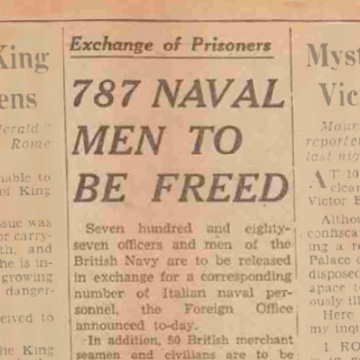
Repatriation came unexpectedly and with little explanation. This essay follows the long and unlikely route that brought 787 British naval prisoners out of Italy and back to British hands, beginning in Saudi Arabia and passing through Turkey before reaching Egypt. It is a story shaped by diplomacy, chance, and timing. Using official files and contemporary reports, it traces how the exchange almost failed, why it succeeded, and how men stepped out of captivity and were thrust back into a war that was still raging.
Mine Disposal – HMS Vernon
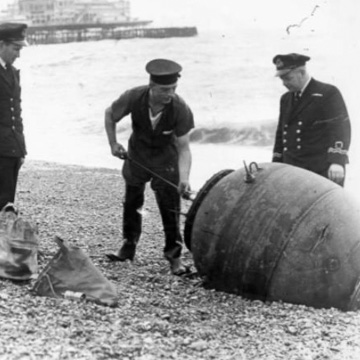
HMS Vernon marked a different phase of the war. After captivity, he was sent to the Navy’s mine disposal centre, where danger was measured, deliberate, and constant. The work involved making sea mines safe. Errors were not gradual or forgiving; they were immediate and final. Drawing on training records, notes, and personal recollection, it shows how patience, judgement, and nerve replaced speed and firepower, and how survival depended on doing the same task correctly, again and again.